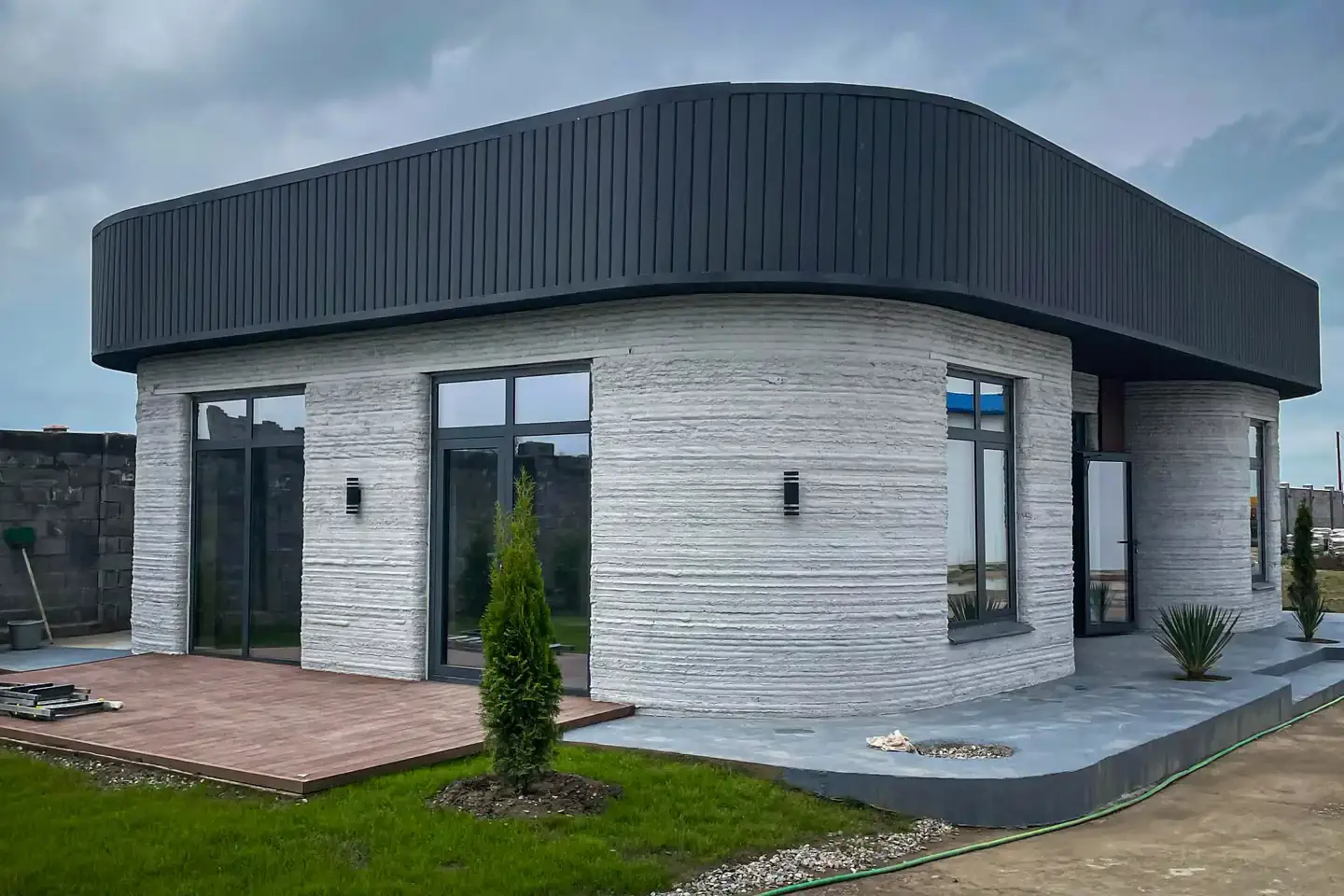
- BM Partners has built Central Asia’s first 3D printed house in Almaty, Kazakhstan.
- The home is designed to survive powerful magnitude 7 earthquakes using extra-strong concrete and special safety features.
- The 100 square meter (1,076 square foot) house was completed in less than two months, while the walls were printed in just five days.
- The building also uses insulated concrete to handle Kazakhstan’s extreme hot and cold temperatures.
New 3D-Printed Home in Almaty Can Handle Earthquakes and Extreme Weather
A new home built in Almaty, Kazakhstan, is showing how fast and practical 3D-printed construction is becoming. The project, completed by BM Partners, is the first fully 3D-printed house in Central Asia and was finished in less than two months.
What makes the home even more impressive is that its walls were printed in only five days using COBOD’s BOD2 construction printer.
The 100-square-meter (1,076-square-foot) house was designed to survive harsh weather and strong earthquakes, proving that 3D-printed homes are no longer just experimental projects.
Built to Survive Magnitude 7 Earthquakes
Kazakhstan is located in a region that can experience serious seismic activity, so the builders focused heavily on safety.
BM Partners says the house was engineered to withstand earthquakes up to magnitude 7. To make that possible, the company used a very strong concrete mix usually reserved for large structures like bridges and high-rise buildings.
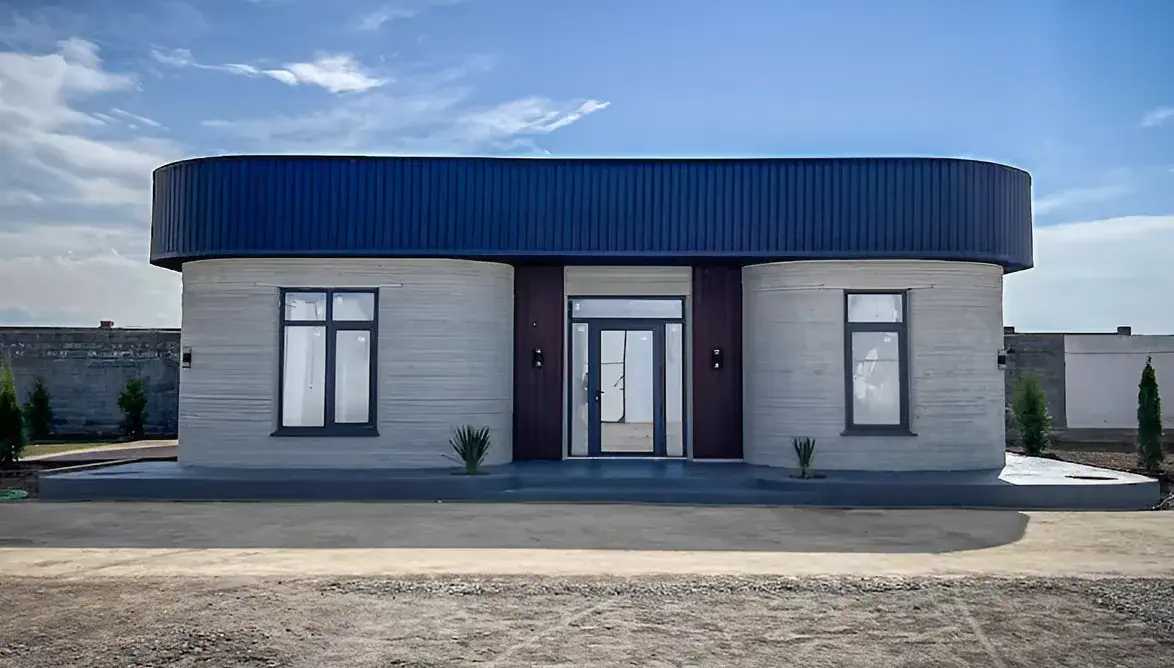
The home also includes a reinforced seismic beam belt around the structure. This extra support helps the building stay stable during earthquakes and meets local safety regulations.
Compared to traditional homes in the region, the concrete used in this project is far stronger and more durable.
Designed for Freezing Winters and Hot Summers
The house was also built to handle Kazakhstan’s extreme temperatures, which can swing from bitterly cold winters to very hot summers.
To improve insulation, the walls contain expanded polystyrene concrete, a lightweight material that helps keep indoor temperatures stable. It also improves sound insulation inside the home.
This means the building can stay warmer during winter and cooler during summer while reducing energy use.
Walls Printed in Just Five Days
The house was built using COBOD’s BOD2 printer, a large-scale 3D construction machine that prints walls layer by layer using a cement-like material.
Once the printing process was complete, workers installed the windows, doors, roof, and interior finishes the traditional way.
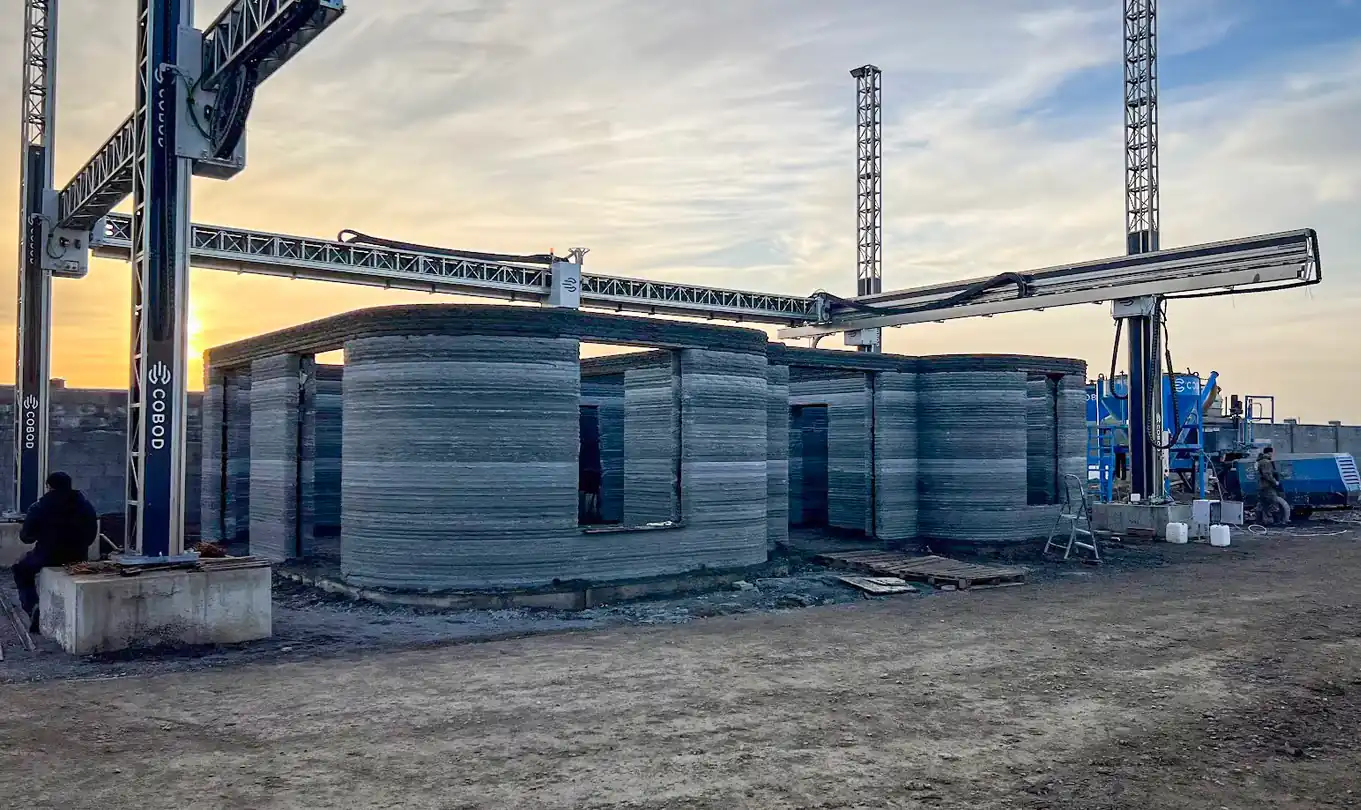
Although the full project took less than two months to complete, the actual wall printing was done in only five days. An additional two days were spent adding the reinforced seismic beam system.
The finished home features a simple modern design with large windows and an open living space. BM Partners plans to use it as a model home to showcase what 3D-printed construction can achieve.
How the Technology Made It Possible
BM Partners built this house using a very strong concrete mix with a compression strength of nearly 60 MPa (8500 PSI). That is far stronger than the 7 to 10 MPa (1015 to 1450 PSI) usually used in traditional brick and stone homes in Kazakhstan.
The material was developed together with COBOD International and Cemex. It blends local cement, sand, and gravel with a special additive called the D.fab admixture. This system helps adjust the concrete mix depending on local weather and building needs.
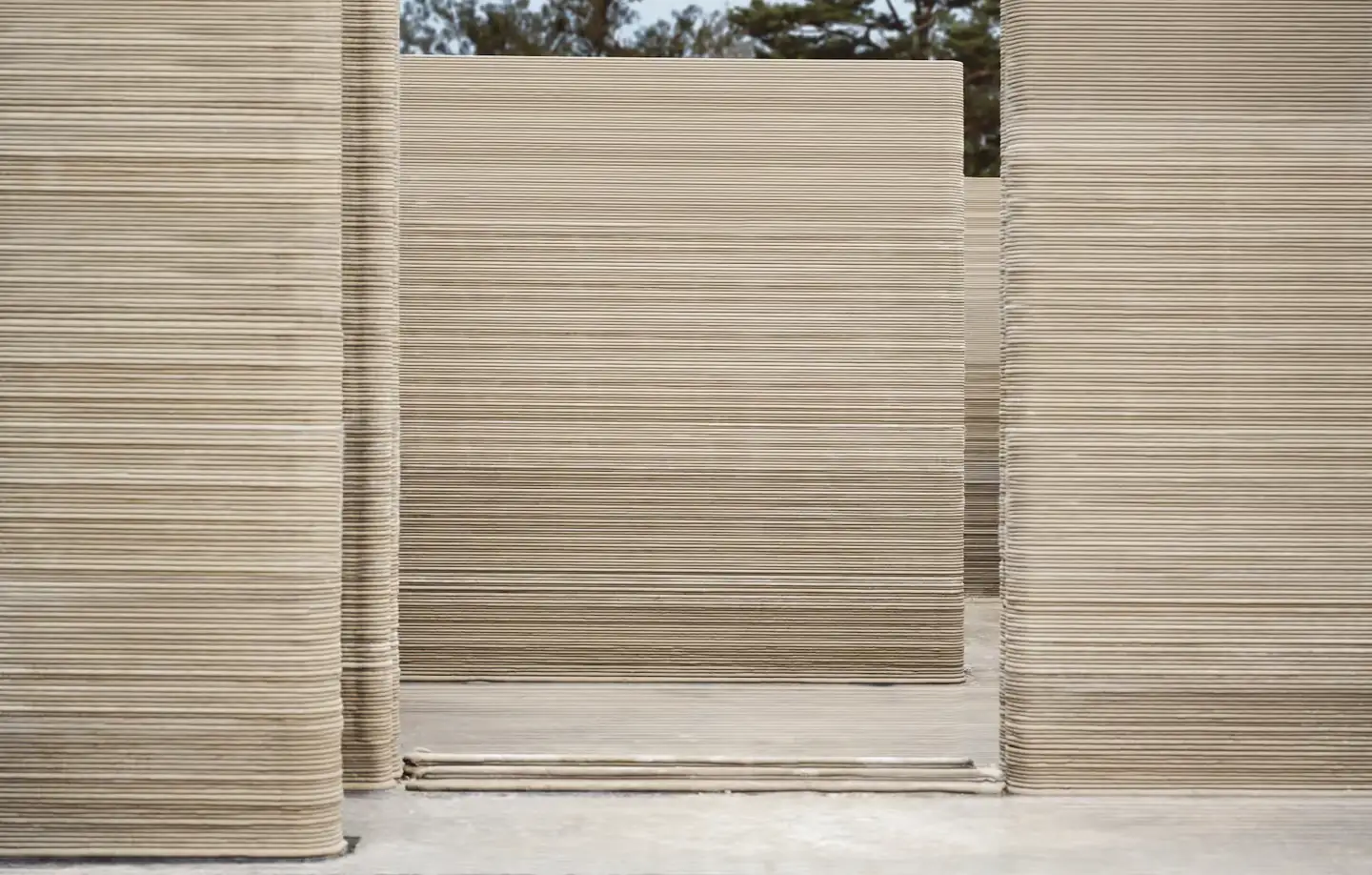
Kazakhstan has extreme temperatures, from -57°C in winter to +49°C in summer. To handle this, the house also uses expanded polystyrene concrete for insulation. This keeps the home more energy efficient and improves both heat and sound insulation.
Once the 3D printed walls were done, workers added windows, doors, and interior finishes. The whole house was completed in just two months.
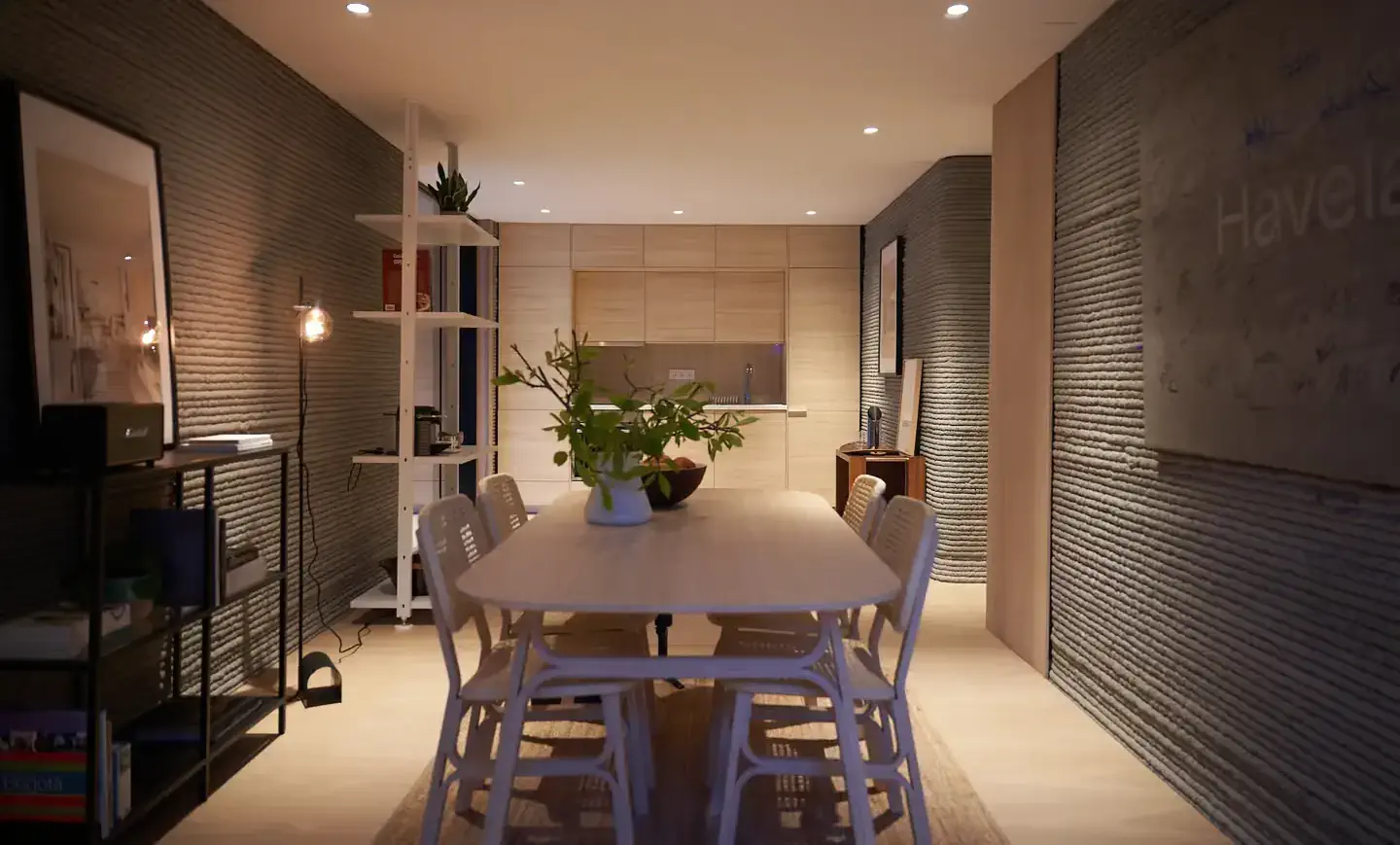
The final result is a clean, modern home with large windows and open living spaces. Today, it stands as a working example of how 3D printing can build strong and practical homes much faster than traditional methods.
A More Affordable Way to Build Homes
One of the biggest advantages of 3D-printed construction is lower cost.
According to reports, the entire house cost around €20,500 (about $21,800), which is cheaper than many traditional homes in the area.
Because the printer handles much of the construction work automatically, builders can reduce labor costs, cut down on material waste, and finish projects much faster.
This could make housing more affordable in regions where traditional construction is expensive or slow.
COBOD’s Global Impact
COBOD leads the world in providing 3D printers for construction, with over 80 printers deployed across North and Latin America, Europe, the Middle East, Africa, and Asia-Pacific.
Their goal is to transform construction using versatile robots equipped with 3D printing technology, aiming to automate half of construction processes.
This approach promises quicker, more economical, and sustainable outcomes, with greater flexibility in design.
COBOD’s 3D printers have played a crucial role in constructing buildings ranging from homes, offices, and public facilities to sports arenas and schools on all six inhabited continents.