For millions of people living with diabetes, every single day starts the same way. A needle. A pinch. A routine they did not choose.
Now Australian scientists may have found a way to change that.
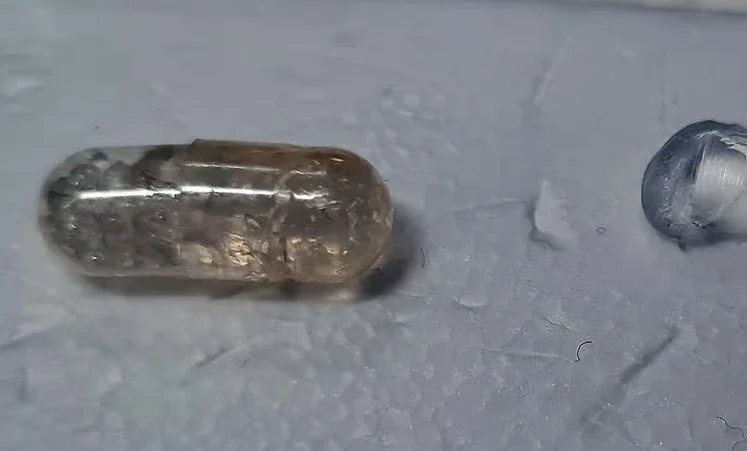
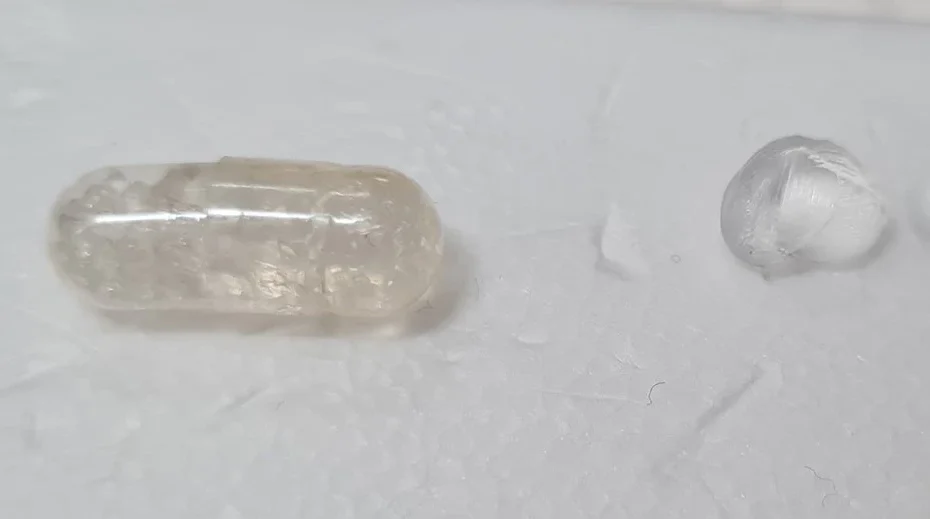
Researchers at RMIT University in Melbourne have developed an oral insulin capsule that could allow diabetics to simply swallow their insulin instead of injecting it. Early results are promising and the science behind it is genuinely exciting.
The Problem With Swallowing Insulin
Insulin is a protein. And proteins have a problem when you swallow them: the stomach destroys them before they can do anything useful.
The stomach is extremely acidic. That acid is great for digesting food but terrible for keeping insulin alive long enough to reach the bloodstream. Scientists have been trying to crack this problem for over 60 years without a commercially available solution.
The RMIT team found a clever way around it.
How the Insulin Capsule Works
The capsule uses two layers of protection to keep insulin safe on its journey through the body.
First the insulin is wrapped inside a fatty nanomaterial. Think of it like a tiny bubble made of fat that hides the insulin and helps it sneak through the walls of the small intestine. This approach is actually similar to how the Pfizer and Moderna COVID vaccines work. Those vaccines also wrap their active ingredient in a fatty layer to protect and deliver it safely.
Second the whole thing is placed inside an enteric capsule. This is a special outer shell with a coating that does not dissolve in stomach acid. It only breaks open once it reaches the small intestine where the environment is less acidic and safe for insulin to be released.
As lead researcher Dr Jamie Strachan explained: the capsule is designed to pass through the stomach completely intact and only dissolve once it reaches the right conditions further along the digestive tract. Once there the fatty nanomaterial helps the insulin cross the intestinal wall and enter the bloodstream.
Animal Test Results
The team tested the capsule using two types of insulin: fast-acting and slow-acting.
Fast-acting insulin is the kind diabetics take around meals to handle the spike in blood sugar that comes from eating. The capsule version absorbed reasonably well but there was a delay in how quickly it started working. For meal-time use that delay makes it impractical right now.
The slow-acting insulin results were far more encouraging. This is the type most diabetics take once a day to keep blood sugar stable in the background. The capsule delivered about 50 percent better absorption than injection for the same amount of insulin. That is not a small improvement. That is a significant result.
Professor Charlotte Conn who co-led the research said the team was genuinely excited by those numbers. The goal is that one day diabetics could take an oral capsule for their slow-acting dose while continuing to use fast-acting injections for meals. That alone would cut the number of injections many people need every day.
How Many People This Could Help?
The numbers around diabetes are staggering.
As of 2021 roughly 537 million adults worldwide were living with diabetes. That number is expected to climb to 643 million by 2030. Of those millions around 75 million inject themselves with insulin every single day.
Injections work. But they are painful. They carry a risk of infection. They require proper disposal of needles. They can be stressful for children and older adults. They come with real healthcare costs for individuals and health systems alike.
An oral capsule would change the experience of managing diabetes completely for a large portion of those people.
Current Stage of Research
The RMIT capsule is still in early stages. The study published in the journal Biomaterials Advances represents preclinical work meaning it has been tested in animals but not yet in humans. The team is working to improve the capsule design with a focus on releasing insulin at controlled intervals before moving toward human trials.
The broader field of oral insulin is also moving faster than ever.
A separate team from the University of Sydney working with researchers from UiT The Arctic University of Norway developed a different oral insulin using nanocarriers that deliver insulin directly to the liver.
Their version showed strong results in mice rats and baboons with no hypoglycemia observed in any of the animals. Human trials for that formula were planned to begin in 2025 through their spinout company Endo Axiom.
Meanwhile a company called Oramed Pharmaceuticals has an oral insulin capsule called ORMD-0801 that has already gone through more than 25 clinical trials involving hundreds of patients with Type 1 and Type 2 diabetes.
As of 2025 no oral insulin has received FDA approval yet. But the science is closer than it has ever been.
Potential Uses Beyond Diabetes
One of the most exciting parts of the RMIT research is what it suggests for other diseases.
The same capsule design that protects insulin from the stomach could potentially protect other protein-based drugs too. That includes monoclonal antibodies used in cancer treatment and new types of antibiotics. The RMIT team is already exploring this.
If the technology works across multiple drug types it could change how a wide range of medications are delivered. Fewer injections. Easier treatment. Better quality of life for patients managing chronic conditions.
Final Thoughts on the Insulin Capsule
Swallowing insulin instead of injecting it has been a goal for researchers for decades. The RMIT capsule does not solve every problem yet. Fast-acting oral insulin still needs more work. Human trials are still ahead.
But the slow-acting results are genuinely strong and the underlying technology is sound. For the hundreds of millions of people living with diabetes this kind of progress is worth watching closely.
The needle may not disappear tomorrow. But the science is moving in the right direction.