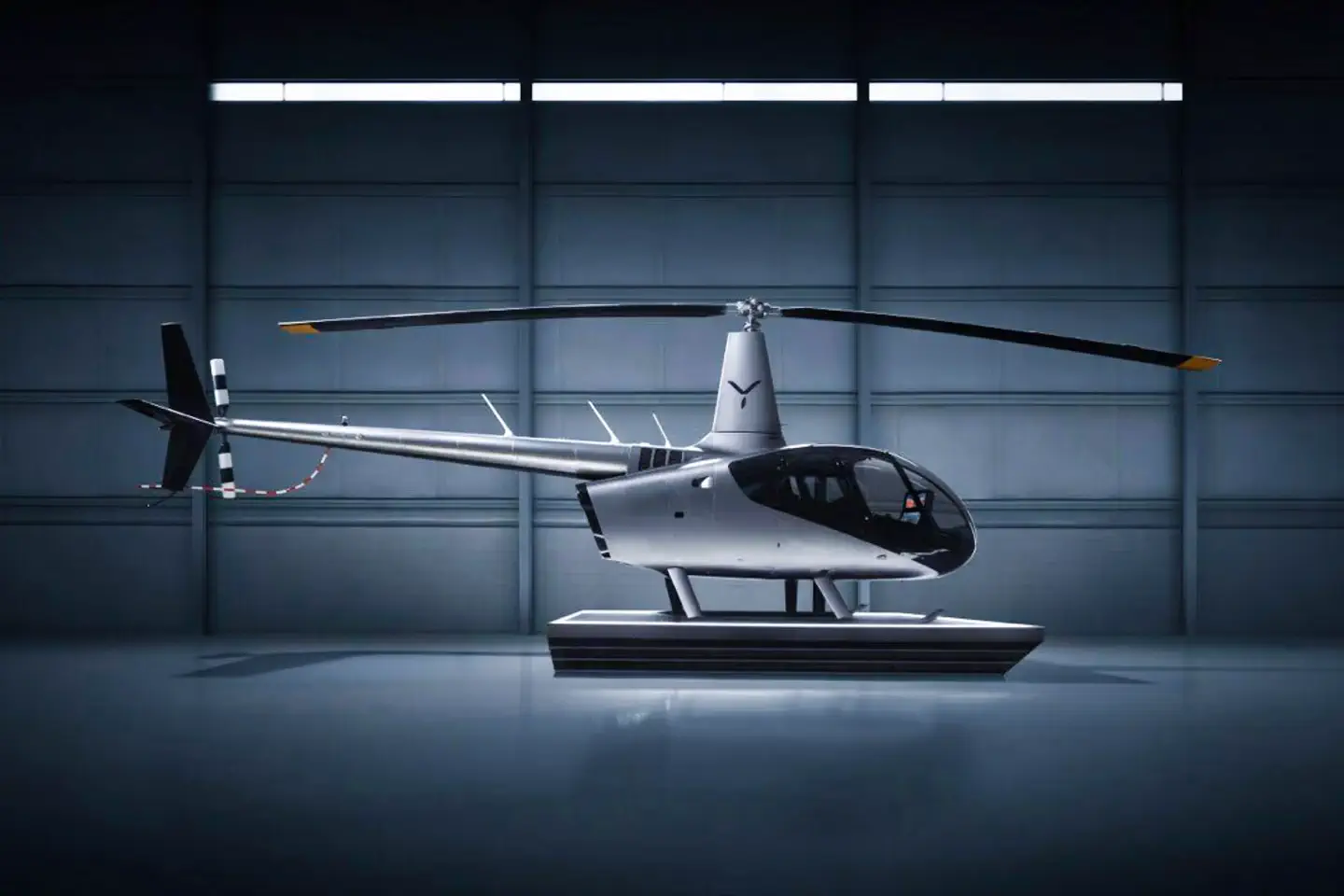
Flying a Helicopter Like Driving a Car Is No Longer Science Fiction
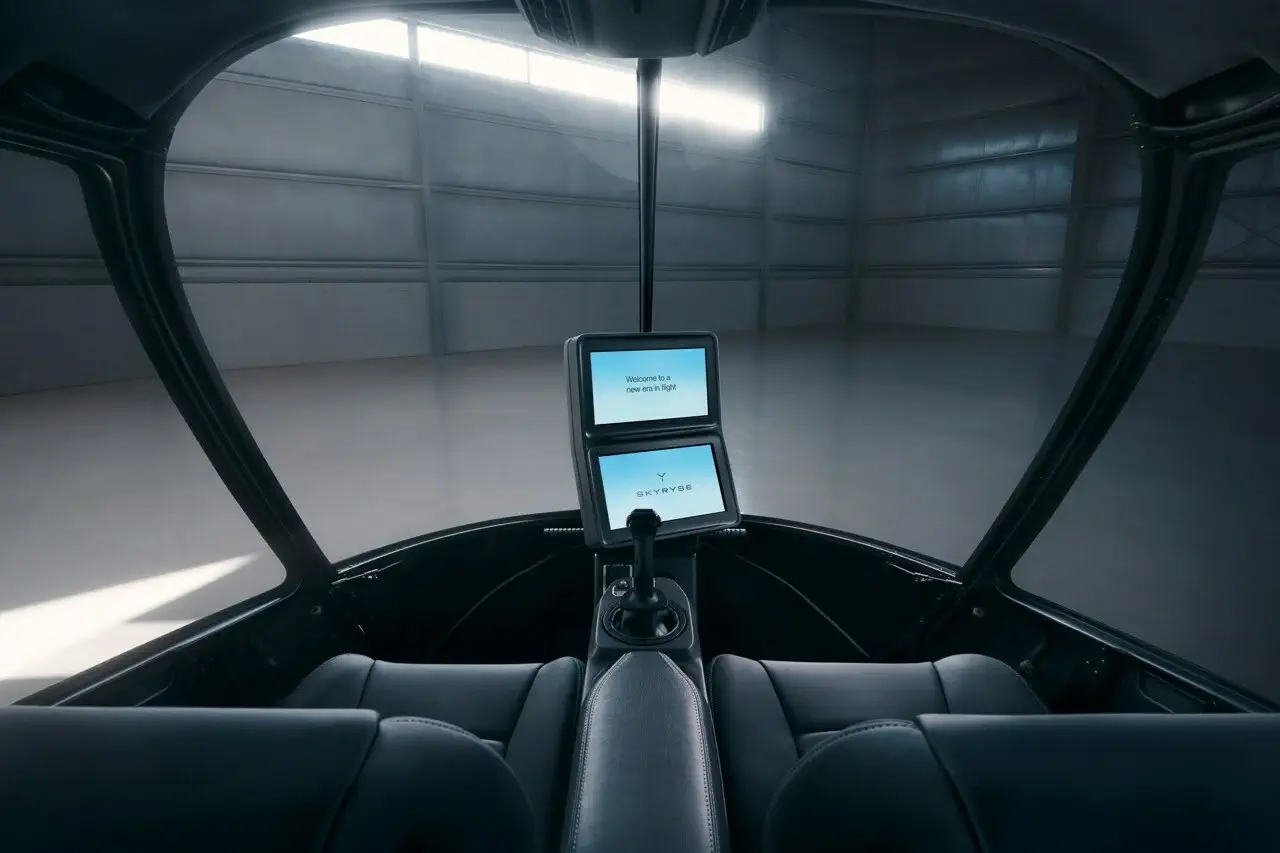
Imagine controlling a helicopter with the simplicity of a car. No complex pedals. No crowded cockpit. Just a single control stick and two touchscreens guiding almost every action.
That is the idea behind the Skyryse One helicopter developed by California based aviation company Skyryse.
It is designed to remove traditional flying complexity and replace it with a digital flight system called SkyOS.
Also Read: Saudi Arabia to Use Flying Taxis in Alula and Neom by 2026
What is Skyryse One?
The Skyryse One is a next generation helicopter concept built to simplify flight control using advanced automation and fly by wire technology.
Instead of relying on mechanical linkages between the pilot and the helicopter, Skyryse uses electronic systems that interpret pilot input and stabilize flight in real time.
The result is a cockpit that looks closer to a modern aircraft computer system than a traditional helicopter.
- Skyryse One Key Features: The Skyryse One is built to simplify helicopter flight while significantly improving safety and control through advanced automation.
- Fly-by-Wire Control System: Powered by the SkyOS operating system, the aircraft replaces traditional mechanical controls with a digital fly-by-wire system for smoother, more precise handling instead of conventional autopilot.
- Dynamic Envelope Protection: Continuously monitors aircraft performance, weather, and pilot inputs to keep the helicopter within safe flight limits, similar to systems used in modern airliners and fighter jets.
- Fully Automated Autorotation: In the event of engine failure, the system automatically manages glide, descent, flare, and landing while maintaining pilot oversight.
- Auto Pickup and Set Down: Allows the helicopter to take off or land automatically with a simple swipe command on a touchscreen interface.
- Hover Assist: Reduces pilot workload during hover by automatically stabilizing the aircraft and maintaining position without constant control input.
- Inherent Stability via SkyOS: Keeps the helicopter continuously stabilized, ensuring safe flight conditions even when pilot input is reduced or temporarily released.
- Swipe-to-Start System: Replaces complex startup procedures with a single swipe, automating engine start and pre-flight initialization.
- IFR Capability: Certified for Instrument Flight Rules operations, allowing safe flight in low-visibility conditions at a significantly lower cost than traditional IFR helicopters.
Like drive-by-wire in cars, this system replaces mechanical links between cockpit controls and flight components with electrical wiring.
Also Read: Japan to Launch LignoSat World’s First Wooden Satellite to Combat Space Debris
With this setup, the usual helicopter controls like the cyclic stick, collective lever, throttle, and anti-torque pedals are no longer needed in their physical form inside the cockpit.
Instead, their roles are handled digitally through the SkyOS system, which manages and translates pilot input into flight control automatically.
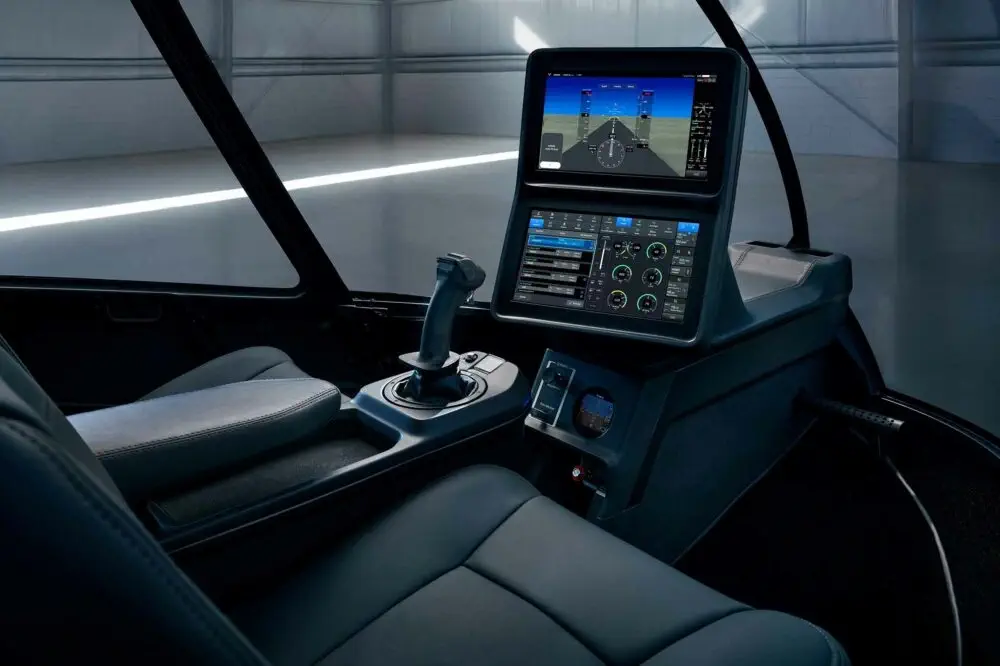
However Skyryse makes it clear that SkyOS is not a full autopilot system. The pilot is still in control of the helicopter using a single four axis control stick while the system provides strong assistance in the background.
From the moment flight begins SkyOS is constantly working. It analyzes the pilot input weather conditions aircraft status and flight data in real time.
Using this information it helps keep the helicopter within a safe operating range including limits like speed and altitude so the flight stays stable and controlled.
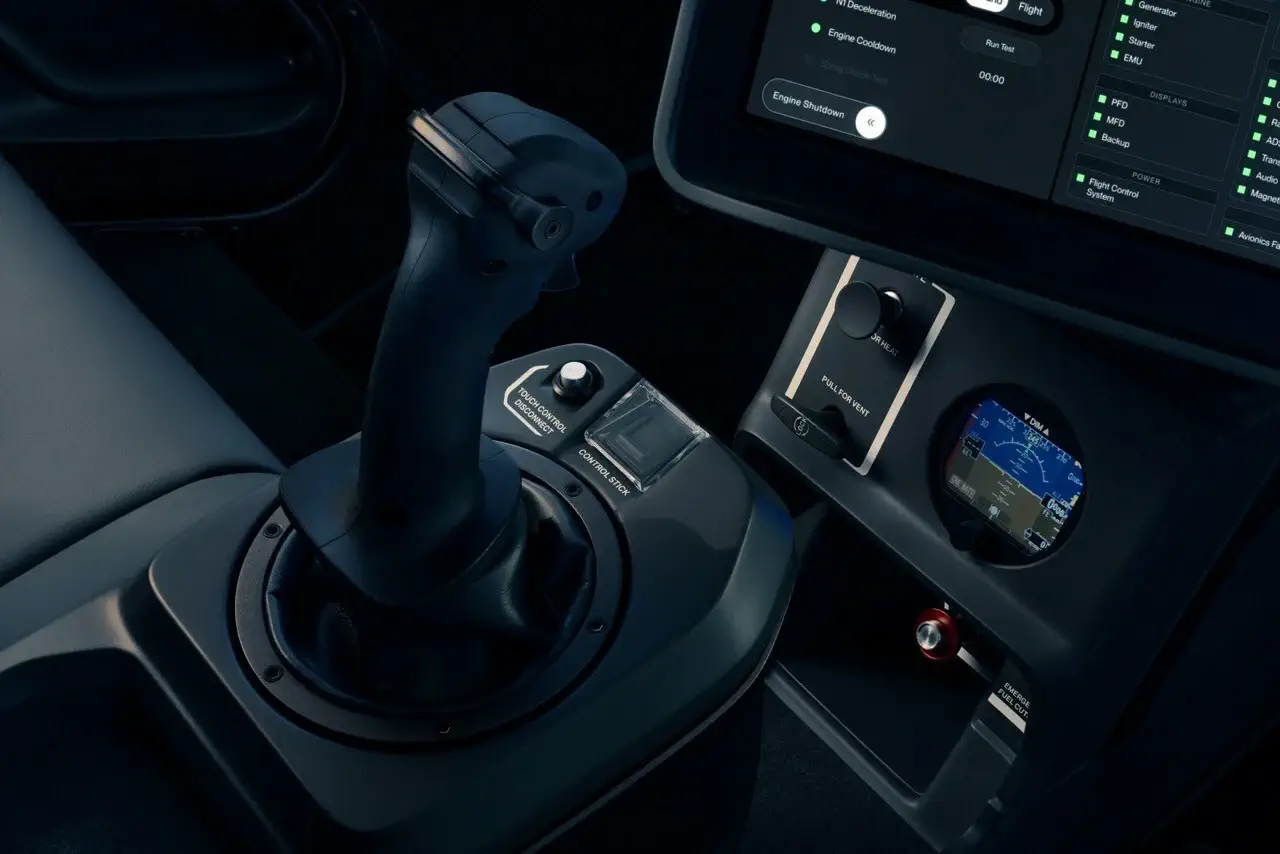
There is also a Hover Assist feature that helps keep the helicopter stable while hovering even if the pilot lets go of the control stick.
With simple swipe commands on the touchscreen the pilot can start the engine complete the startup process and activate automatic takeoff and landing.
Also Read: LG Two-Legged Robot Can Manage Your Household Chores and Pets
If there is an engine power failure SkyOS automatically switches into autorotation mode. It handles key steps like gliding flaring and landing to help bring the helicopter down safely. The pilot still stays in control to guide the descent and ensure a safe landing.
With this level of automation you might wonder what kind of training is required to fly it legally.
How Much Training Do You Actually Need
This is where it gets really interesting. Flying a traditional helicopter to a private pilot standard usually takes around 40 hours of flight training in the United States.
It is also known to be demanding both mentally and physically which is why many students do not complete the training.
Skyryse VP of Communications Ray Wert has said that flying the Skyryse One only requires a standard helicopter Private Pilot License. For someone who already holds a fixed wing airplane license it would take about 20 additional flight hours in the Skyryse One to qualify on the platform.
The company also believes the system is simple enough that it could eventually lead to a new type of certification designed specifically for aircraft powered by SkyOS.
Interestingly Skyryse instructors have observed something unexpected. People with no flight experience at all sometimes learn the controls faster than trained pilots.
Experienced pilots often rely on muscle memory and habits that are not needed in a fly by wire system. Beginners do not have those habits so they can adapt more naturally in some cases.
Pricing and Availability
The company is currently accepting fully refundable deposits of 2500 dollars from interested buyers. These deposits will be applied toward an introductory price of 1.8 million dollars.
Deliveries are expected to begin next year once airworthiness certification is completed. After the first units are delivered pricing may vary depending on order timing and production schedule.