Saudi Arabia Is Getting Flying Taxis by 2026 and Here Is What We Know
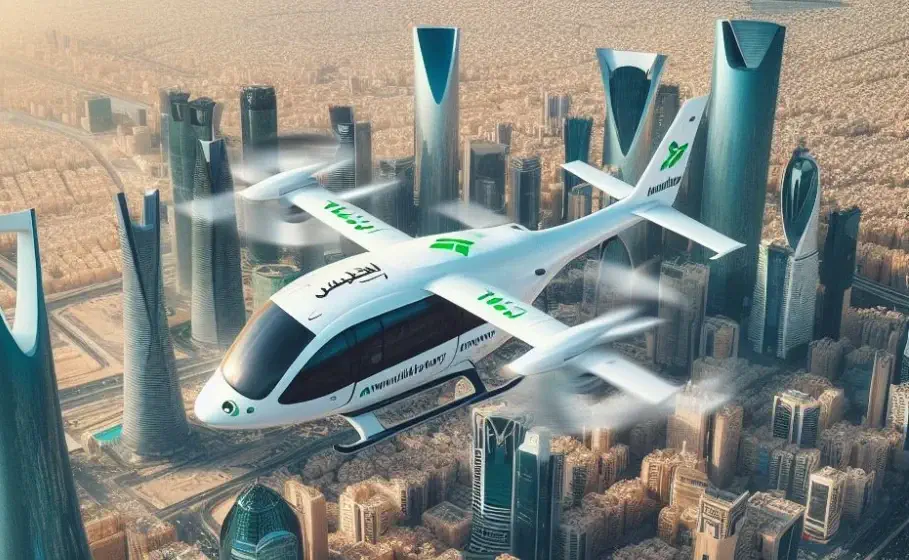
Flying taxis are officially coming to Saudi Arabia by 2026 and the plans are far bigger than a single pilot programme. From the futuristic megacity of Neom to the ancient landscapes of AlUla and even the holy routes between Jeddah and Makkah, urban air travel is being woven directly into the Kingdom’s vision for the future.
Here is everything you need to know.
Where Will Flying Taxis Operate in Saudi Arabia?
Neom
Neom is where Saudi Arabia’s flying taxi programme begins. Volocopter, the German aviation company behind some of the world’s most advanced electric air taxis, has been chosen to run the first public air transport routes in Neom exclusively.
This is not a small detail. Neom is being designed from the ground up as a city where residents will not need personal cars at all. Instead the entire community will rely on a combination of public transit, shared electric vehicles, self-driving cars and electric aircraft for urban air travel.
Flying taxis are not an addition to Neom’s transport plan. They are a core part of it.
AlUla
AlUla, Saudi Arabia’s breathtaking ancient heritage destination, is also part of the flying taxi rollout. The French engineering group Setec is leading sustainable urban air mobility projects in AlUla alongside several other French firms.
This fits within the broader partnership between France and Saudi Arabia in developing AlUla through agreements like AfAlUla and RCU. The goal is to position AlUla as a major global hub for culture and tourism while keeping its development environmentally responsible.
Jeddah to Makkah for Hajj and Umrah Pilgrims
Perhaps the most significant use case of all is the planned air taxi service for Hajj and Umrah pilgrims. Saudia Airlines has announced plans to operate flying taxis connecting King Abdulaziz International Airport in Jeddah directly to hotels in Makkah.
Saudi Arabia’s Minister of Transport Saleh Al Jasser confirmed that flying taxis will undergo live testing during upcoming Hajj events. The service is positioned as a premium offering with pricing yet to be announced, designed to make the journey between Jeddah and Makkah faster and more comfortable for pilgrims.
To understand the scale of demand this service could meet: last year nearly 2 million pilgrims performed Hajj while Umrah pilgrims reached a record 13.5 million according to Minister of Hajj and Umrah Tawfiq Al Rabiah.
What Are Flying Taxis and How Do They Work?
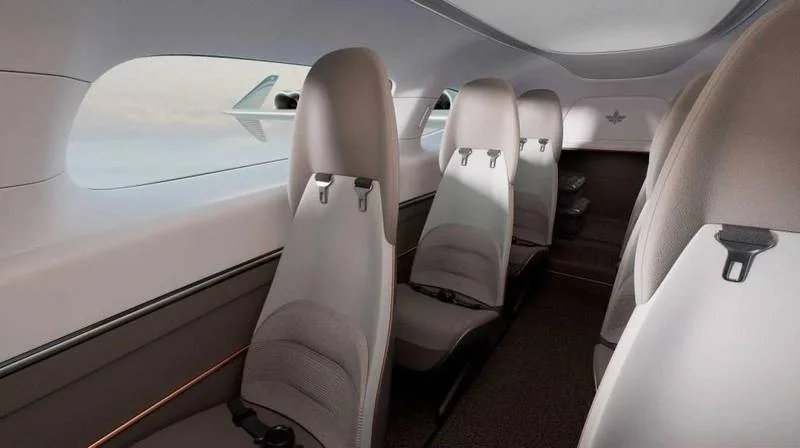
Flying taxis, also called electric vertical takeoff and landing aircraft or eVTOLs, work very differently from traditional helicopters or planes. They use multiple electric rotors to take off and land vertically like a drone, require no runway and are significantly quieter than conventional aircraft.
Volocopter’s model for instance carries up to two passengers and is designed entirely for short urban routes. The aircraft are operated either by a pilot or autonomously and are charged between flights like an electric car.
The appeal for cities is clear. No new roads needed, no fuel infrastructure required and far lower noise levels than helicopters. For a city like Neom being built from scratch it is the perfect opportunity to skip traditional transport infrastructure entirely.
When Can You Expect to See Flying Taxis in Saudi Arabia?
The current timeline points to 2026 as the launch year for commercial operations. Saudia Airlines has confirmed this target publicly and testing for the Hajj route is expected to begin before full commercial service opens.
Volocopter’s exclusive routes in Neom are also expected to begin around the same period as Neom’s first residential and commercial phases open.
Saudi Arabia’s flying taxi programme is one of the clearest signs yet that Vision 2030 is producing real and tangible change on the ground. Or rather above it.
Whether you are a pilgrim travelling to Makkah, a tourist exploring AlUla’s ancient canyons or a future resident of Neom, air taxis could become a genuine part of how you move through the Kingdom within the next two years.
The future of travel in Saudi Arabia is not on the horizon anymore. It is on the launchpad.