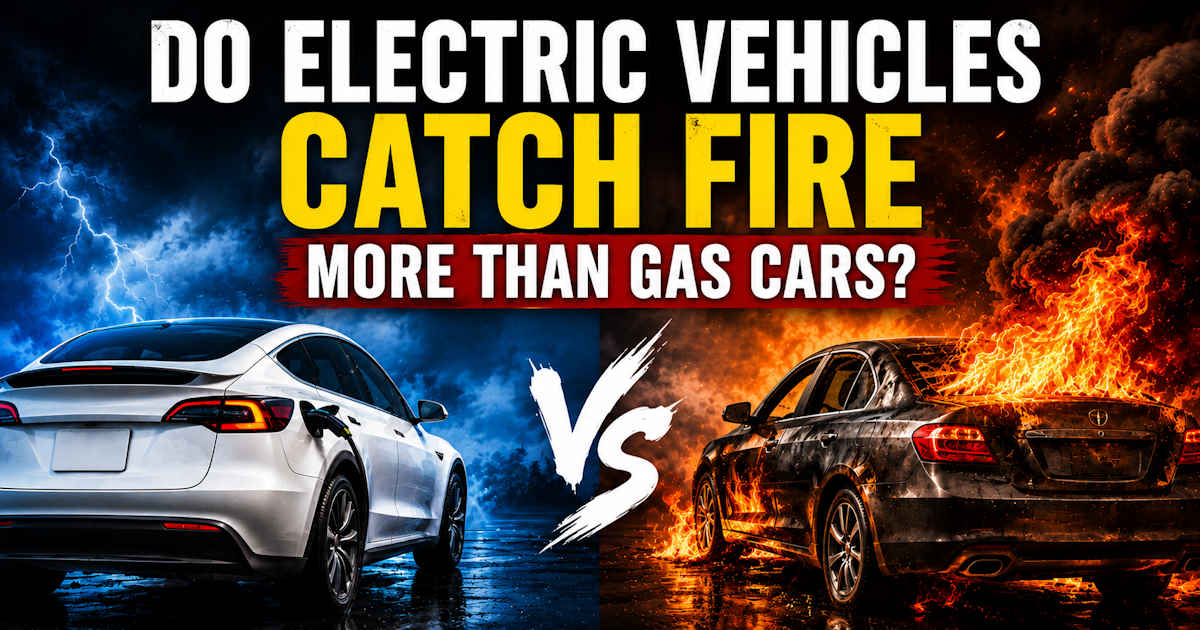
 Do Electric Vehicles Catch Fire More Than Gas Cars? Almost Everyone Gets This Wrong
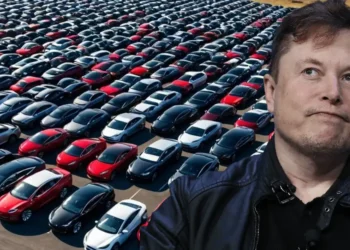
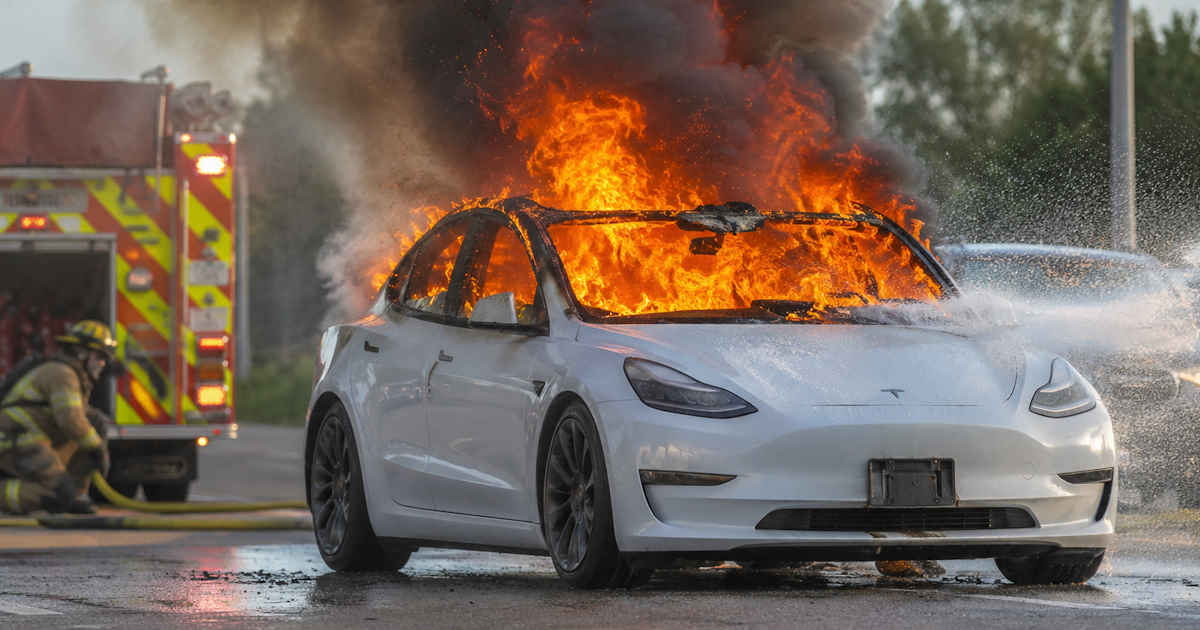
I want to tell you about a video I watched last year. An electric car on the side of a Florida highway, completely engulfed, with white smoke billowing 30 feet into the air. Firefighters circled it for over an hour.
The comments were predictably apocalyptic: “This is why I’ll never touch an EV.” It had 4.2 million views.
What those 4.2 million people probably didn’t see that same week: 3,300 gasoline car fires across the United States. Quietly burning. No cameras. No outrage. Just the usual background noise of internal combustion going wrong, as it does every single day.
The idea that electric vehicles are more dangerous than gas cars is one of the biggest misunderstandings in the car industry today. It matters because it is influencing billion dollar decisions based on wrong assumptions.
So let’s look at what the actual evidence says, across four different countries and multiple independent research organizations.
A Viral Statistic That Was Never Real
Before looking at the real numbers, something important needs to be cleared up first.
For years a statistic has spread across social media, news articles and automotive websites claiming that gas cars catch fire 61 times more often than electric vehicles per 100,000 vehicles sold. The figure appeared everywhere including major publications.
The source was a report published by AutoInsuranceEZ, an insurance comparison website. The numbers looked credible and were widely repeated because the report cited the National Transportation Safety Board.
 The problem is that the NTSB later clarified that it does not maintain a national database tracking highway vehicle fires.
When journalists and independent reviewers looked deeper into the AutoInsuranceEZ figures they found serious problems with the methodology. The numbers appear to have been taken from NHTSA fatal crash datasets and treated as fire incident totals. But fatal crashes and vehicle fires are not the same thing. Only a small percentage of fatal crashes involve a fire at all.
The calculations also mixed together incompatible datasets. Multi year crash figures from 2013 through 2017 were divided against vehicle sales from 2018 alone which does not produce a reliable fire rate comparison.
Because of those issues this article does not use the AutoInsuranceEZ numbers and instead relies on verified fire agency data and official government records where available.
Sweden EV fire rate
0.004%
of registered EVs caught fire (2022)
Sweden ICE fire rate
0.08%
petrol & diesel — 20× higher than EV
US highway fires/year
174,000
almost all ICE vehicles (NFPA)
Tesla vs fleet average
7×
lower fire rate per mile than industry
Poland EV fires (5 yrs)
87
vs 50,833 ICE fires — same period
Global verified EV fires
<400
passenger EVs, 2010–2024 (EV FireSafe)
Why Hybrids Have the Worst Fire Rate of All?
This is the finding that surprises most people and it’s worth taking a moment to explain why it happens.
Hybrids carry what engineers call a complexity penalty. They combine a full gas engine with a high voltage battery pack which means they bring along all the fire risks of a traditional car alongside all the fire risks of an EV battery. That’s essentially two complete drivetrains and two full sets of things that can go wrong packed into one vehicle.
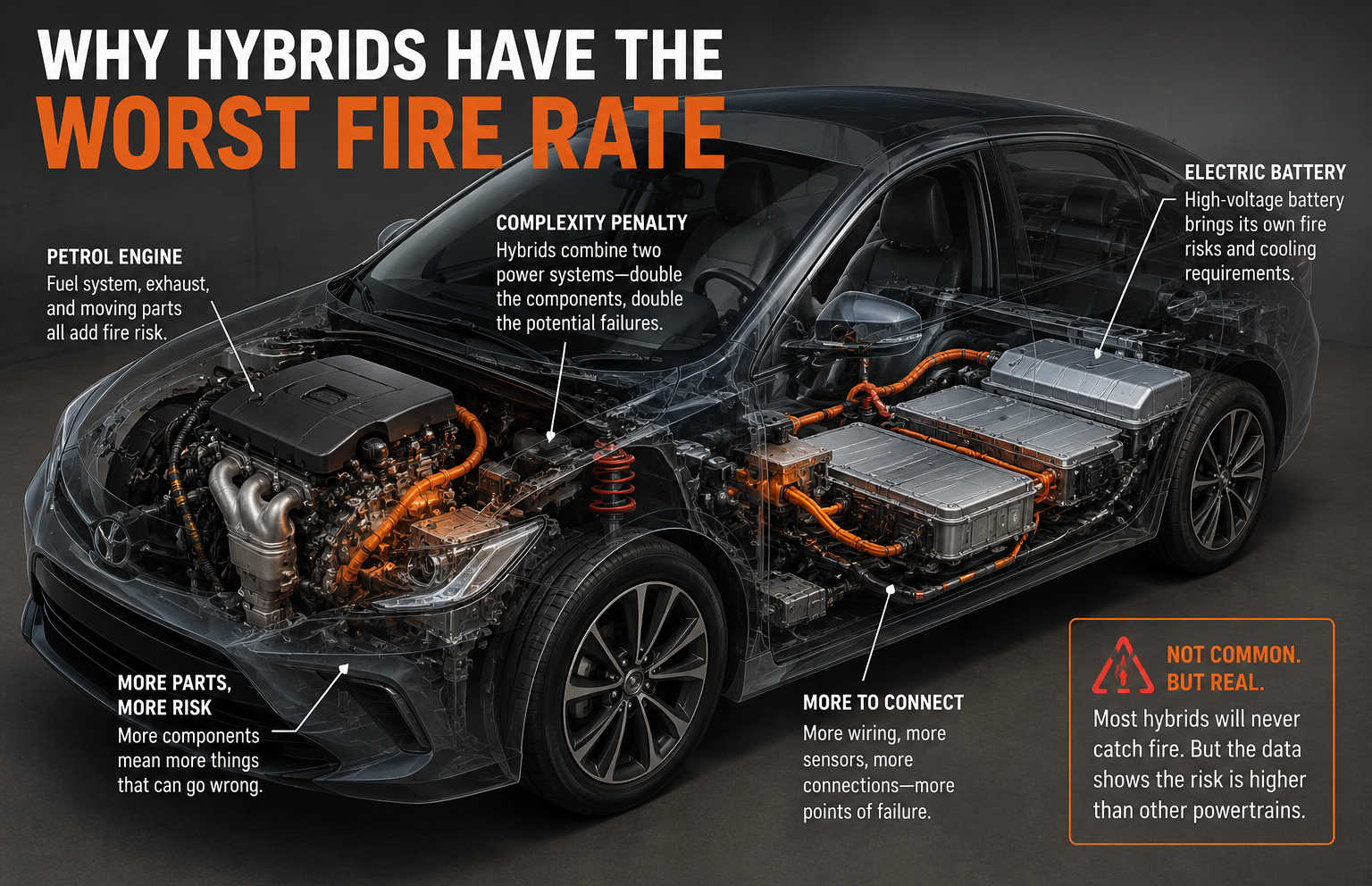
More components means more wiring, more cooling systems and more interconnected parts. Every addition is another potential failure point. This isn’t a design flaw exactly. It’s simply what happens when you combine two fundamentally different power systems in one car. The complexity itself is the risk.
None of this means hybrids are dangerous in any dramatic sense. The vast majority of hybrid owners will never experience a fire. But it does flip the common assumption on its head. Most people think going fully electric is the bold and risky move. The data says it’s actually the safer one.
What Causes EV Fires?
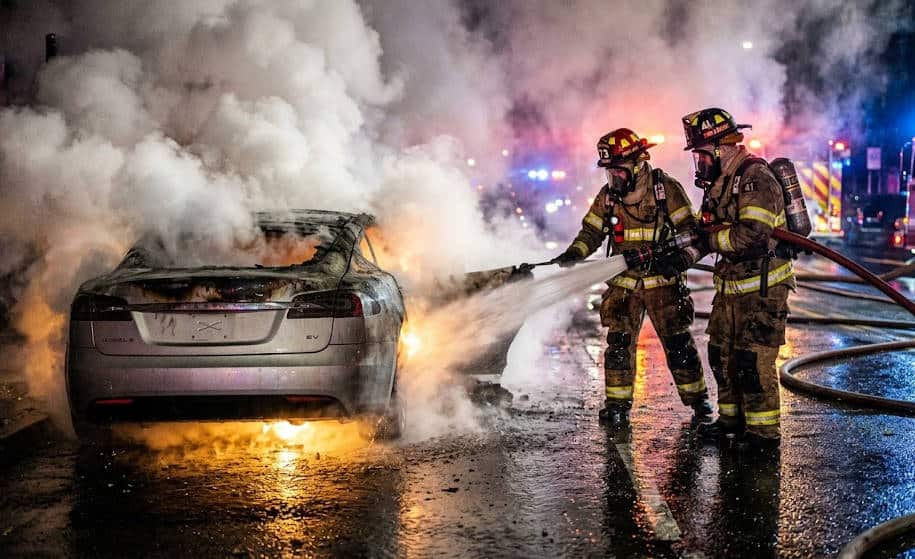
Electric vehicle fires are rare, but they behave very differently from regular car fires. They are also harder to control, which makes understanding them important for EV owners and buyers.
Notable EV Recalls for Battery Issues
Several well-known EVs and hybrids have been recalled due to battery-related risks:
- Chevrolet Bolt EV (2017–2022) — Approximately 141,000 vehicles recalled across two separate campaigns due to battery fire risk. GM ultimately replaced battery modules in the affected vehicles.
- Hyundai Kona Electric — Around 82,000 vehicles globally recalled over battery cell defects that could cause fires even while parked.
- Chrysler Pacifica Hybrid — Approximately 27,600 PHEVs recalled over battery-related fire concerns.
- BMW X5 xDrive45e, 530e, Mini Cooper SE Countryman ALL4 — Thousands of vehicles recalled due to battery component concerns.
Why EV Fires Look More Common Than They Really Are?
In the United States gasoline vehicle fires happen far more often than most people realize. According to the National Fire Protection Association there are about 174,000 highway vehicle fires every year. That works out to roughly one vehicle fire every two minutes.
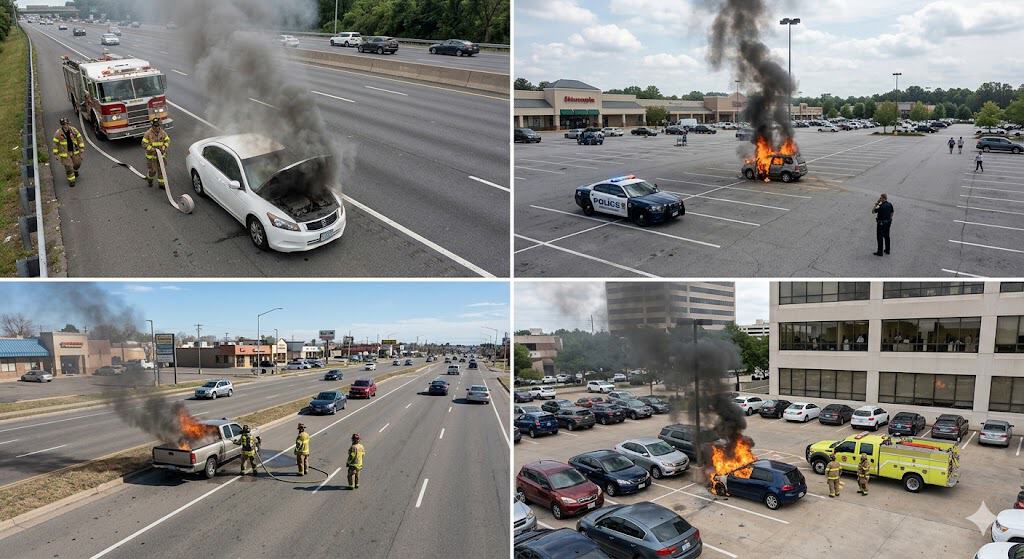
Most of these never make the news. A fire breaks out firefighters arrive quickly and it is over in minutes. Traffic resumes and nobody films it.
EV fires look completely different. They last longer. They produce thick white smoke as the battery goes into thermal runaway. The scene is unusual and dramatic and people pull out their phones.
Then the algorithm takes over. Platforms like YouTube and TikTok reward videos that keep people watching and a battery fire burning for 45 minutes does exactly that. A single EV fire can reach millions of views while hundreds of gasoline fires that same week disappear without a trace.
Old videos make it worse. Clips circulate for years without dates or context. Sometimes the vehicle is not even electric. Each reshare quietly reinforces the same false idea.
The result is a perception gap that has nothing to do with the actual numbers. EV fires are rare. They just do not look rare when the only ones you ever see are the ones dramatic enough to go viral.
What Is Being Done to Make EVs Even Safer?
The good news is that EV safety is getting better every year and the technology behind it is moving fast.
The biggest change happening right now is a shift to lithium iron phosphate batteries. These run cooler and are far less likely to catch fire than older battery types. Brands like Tesla and BYD have already moved a large portion of their vehicles to this chemistry making it a real and present safety upgrade not just a future promise.
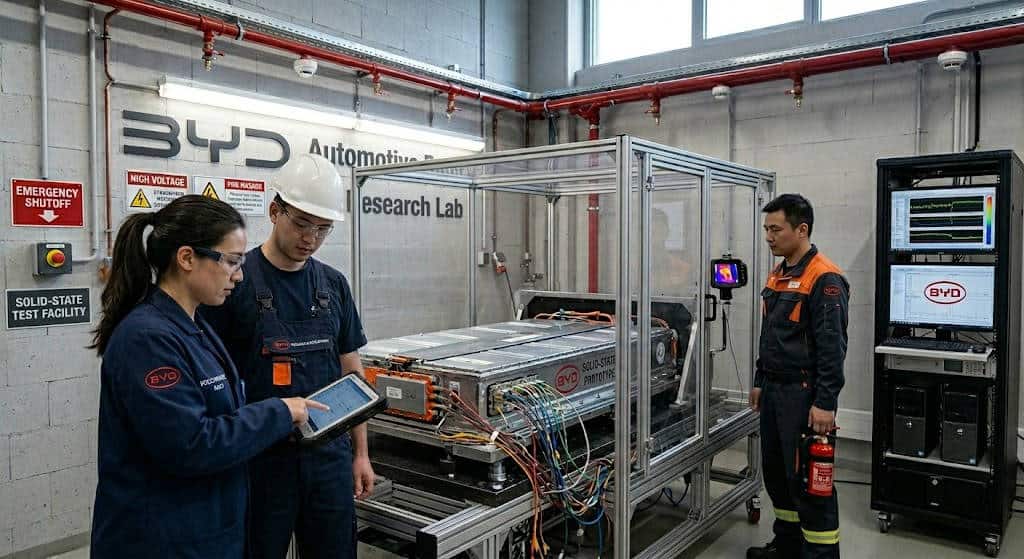
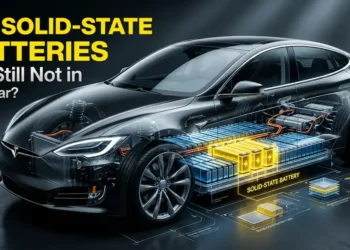
On the horizon are solid-state batteries which swap out the flammable liquid inside today’s batteries for a solid non-flammable material. Several manufacturers are actively working toward bringing these to market and if they do EV fire rates could drop even further than they already have.
It is not just the cars that are evolving either. Fire departments across the country are now training specifically for EV battery fires.
The National Fallen Firefighters Foundation has added EV fire tactics to its standard curriculum and parking garages are upgrading their ventilation and water systems to handle these situations more effectively.
EVs already catch fire less often than gas-powered cars and the industry is actively working to make that gap even wider.
What This Means for You as a Driver or Buyer
EVs are not perfectly risk-free, but the same is true for gasoline vehicles. The important thing is understanding the real-world risks instead of reacting to viral headlines.
If your EV or hybrid takes a serious impact, especially underneath the vehicle, the battery should be inspected as soon as possible. Damage is not always visible immediately and problems can sometimes appear later.
Flooding is another important concern.
After Hurricane Ian in 2022, several flood-damaged EVs reportedly caught fire days later after exposure to saltwater. This is not limited to one brand and applies to all electric vehicles with high-voltage battery systems.
Home charging, however, is generally very safe when proper certified equipment is used.
Many viral garage fire stories online actually involve cheap e-bikes or low-quality scooters rather than passenger EVs built to automotive safety standards.
If you are buying a used EV, battery condition matters just as much as mileage.
Look for:
- A clean title
- Complete service records
- Battery inspection reports if available
Modern battery health reports can reveal issues that may not appear during a short test drive.
For most drivers, the data suggests that EVs are not unusually dangerous vehicles. They simply come with a different set of safety considerations than traditional gasoline cars.
What the Numbers Really Show
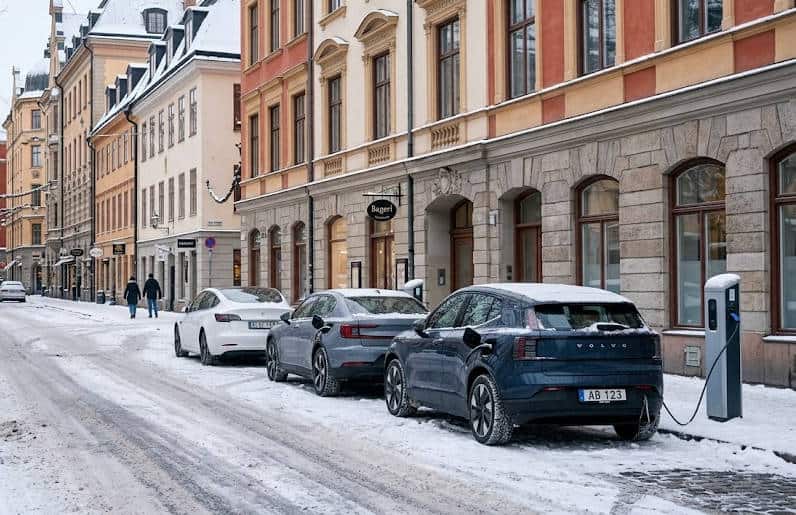
The data from the United States, Sweden, Australia and Poland all points the same way. Electric vehicles catch fire far less often than gasoline cars.
And the gap is not small. Sweden puts EVs at around 20 times less likely to catch fire. Australia pushes that to roughly 80 times. Poland’s five years of fire records show nearly every vehicle fire involved a gasoline or diesel car. EV fires stayed in the double digits the entire time.
When EV fires do happen they are harder to deal with. More water more time and more specialized training. That is real and worth knowing.
But the idea that EVs are naturally dangerous is not what the data shows. That fear comes from viral videos not fire records.
EV fires are rarer. Not easier to put out but genuinely rarer. And as battery technology keeps improving that gap is only going to grow wider.
✓ A Note on Methodology
- ✓ We only used official fire service data. Every fire rate in this article comes from a national fire agency in Sweden, Poland or the US. Not an insurance website or a press release.
- ✓ Tesla’s numbers are labelled as self-reported. They shared their own fire statistics which look good. But since no independent agency verified them we treat them as a rough guide not a hard fact.
- ✓ Four countries found the same answer. Sweden, Poland, Australia and the US all reached the same conclusion independently. EVs catch fire less often. That consistency is hard to argue with.
- ✓ Recalls are not the same as fire rates. A recall means a manufacturer spotted a potential problem and acted on it. It does not mean those cars were catching fire. We have been careful not to mix the two up.
Frequently Asked Questions
⌄
⌄
⌄
⌄
⌄
⌄
Sources: NFPA, NHTSA, EV FireSafe, Tesla
Written by
Engineering Junkies Team
We are a team of engineers, researchers and technology writers who love breaking down complex topics into clear and honest content. Every article we publish is built on real research and honest writing.
You can reach us through our Contact Us page.