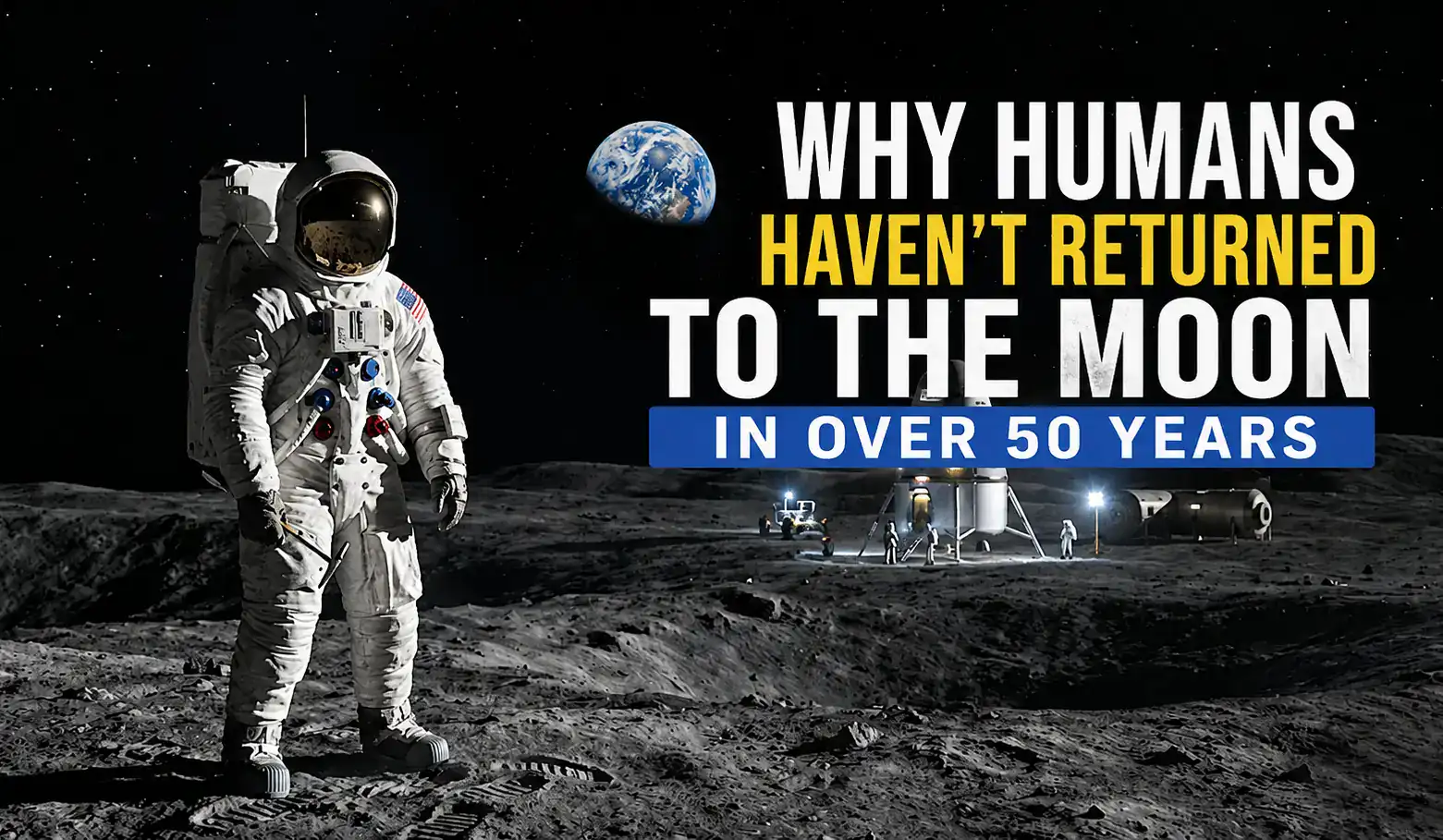
On December 14, 1972, astronaut Eugene Cernan climbed the ladder of the Apollo 17 lunar module and left the Moon. More than 50 years have passed since that moment, and not a single person has gone back. So why haven’t humans returned to the Moon? The honest answer involves politics, money, and a loss of will that nobody likes to talk about.
We live in an age of smartphones, artificial intelligence, and reusable rockets that land themselves. Yet the Moon, a rock sitting just 384,000 kilometres away, has not felt a human footprint since the Nixon administration.
So what happened? Was it the technology? The money? Did we simply lose interest? The honest answer is all of those things, and a few others nobody likes to talk about.
The Space Race Was Never Really About the Moon
To understand why we stopped going, you first need to understand why we went in the first place. The Apollo program was not born from a passion for exploration. It was born from fear.
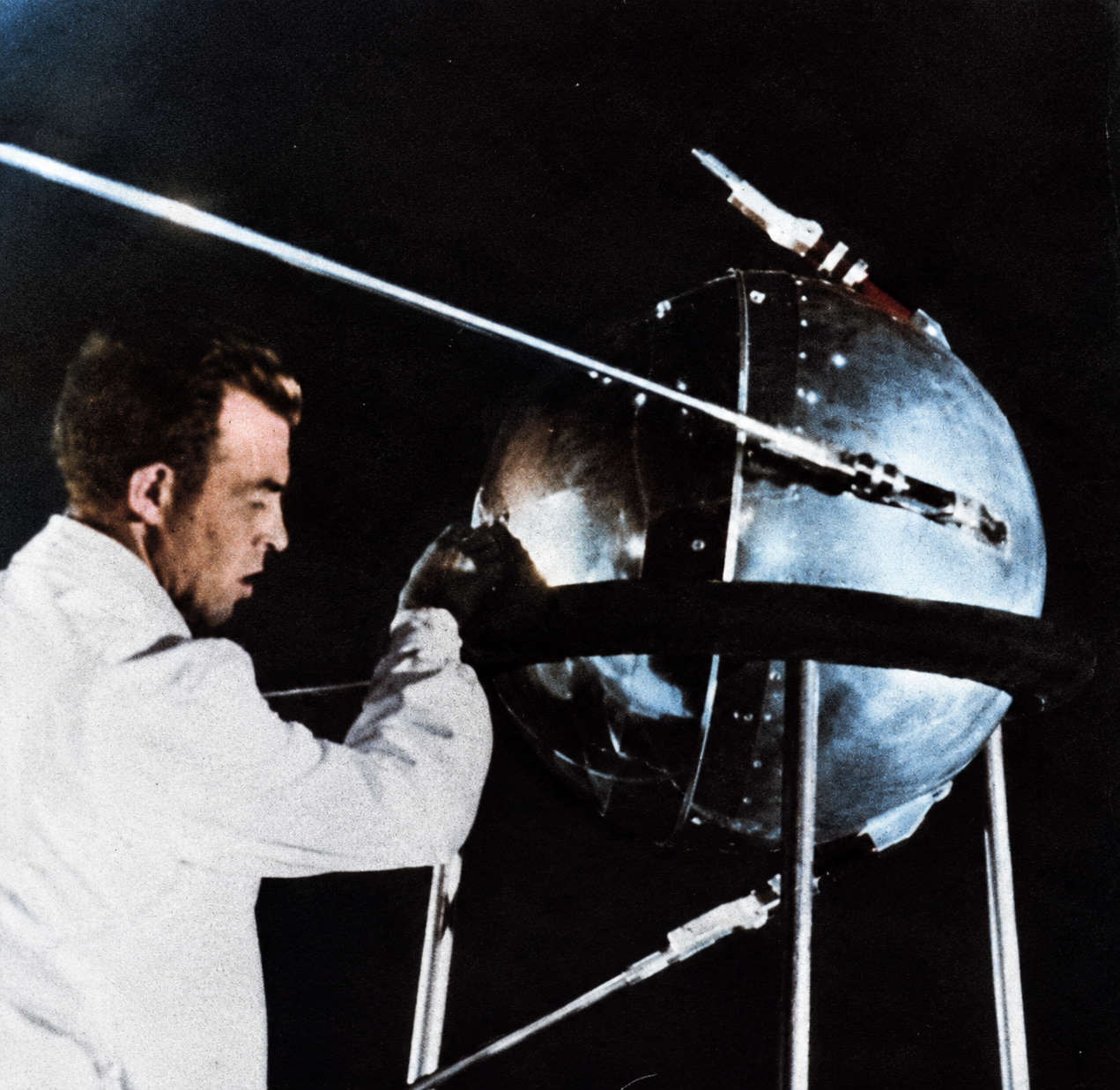
In 1957, the Soviet Union launched Sputnik, the first ever satellite, into orbit. America was caught completely off guard. When the Soviets then sent Yuri Gagarin into space in 1961, the embarrassment in Washington was massive.
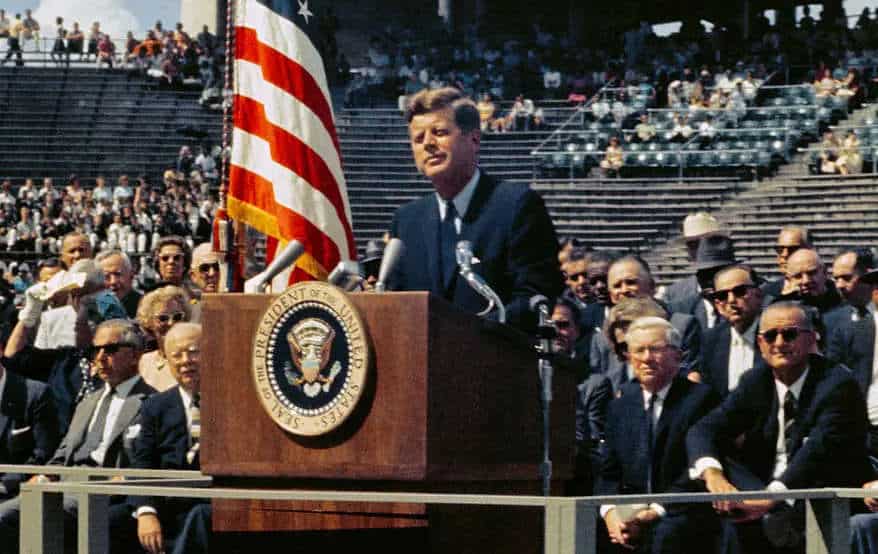
President Kennedy responded not with a scientific plan but with a political challenge: America would land a man on the Moon before the decade was out.
The Moon was chosen because it was hard. Kennedy said so openly in his famous Rice University speech. The real goal was to beat the Soviets on the biggest stage imaginable.
Congress Cut the Funding Before the Astronauts Even Came Home
Here is something most people do not know. While the Apollo 11 crew was still in quarantine after returning from the Moon, Congress was already cutting NASA’s budget.
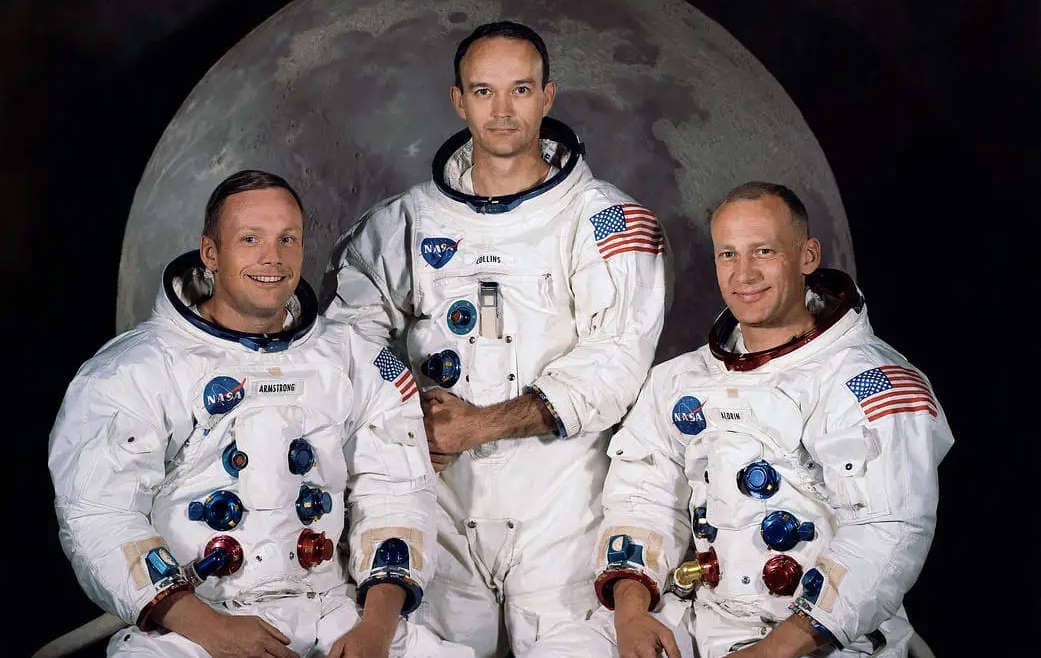
At its peak in the mid-1960s, NASA was consuming around four percent of the entire federal budget. By the time Apollo 17 launched in December 1972, that number had collapsed to less than one percent.
NASA had originally planned to continue lunar missions all the way through Apollo 20. Those missions were cancelled. The Saturn V rockets that would have carried those crews were sent to museums or turned into display pieces. The factories that made them were shut down. Tens of thousands of engineers and technicians lost their jobs.
What America actually lost was not the knowledge of how to go to the Moon in theory. It was the factories, the supply chains, and the human expertise to actually do it. Those are very different things, and rebuilding them from scratch is enormously expensive.
How Much Did the Apollo Program Actually Cost?
The United States spent $25.8 billion on Project Apollo between 1960 and 1973. In today’s money, using NASA’s own budget records, that works out to approximately $309 billion.
And that is just Apollo on its own. Add in the Gemini missions and the robotic spacecraft sent to scout the Moon beforehand, and the total climbs to around $338 billion in today’s dollars.
To put that in human terms, $309 billion is more than the United States currently spends on NASA in 15 years combined. It was not a space program. It was a national mobilisation on the scale of a war.
The biggest bills were for the rockets and the spacecraft. The Saturn V and its family of launch vehicles cost the equivalent of $118 billion in today’s money. The capsules and command modules that carried the astronauts added another $99 billion.
Spending hit its peak in 1966, three full years before Neil Armstrong set foot on the Moon. By the time the landing actually happened, America had already paid most of the bill.
When it was all over, NASA’s 1973 budget proposal summed it up in one cold sentence: “The planned objectives of the Apollo program have been accomplished. FY 1974 funding is not required.”
| Project Apollo, 1960 – 1973 | Actual | Inflation Adjusted (2025 $) |
|---|---|---|
| Spacecraft | $8.1 billion | $99 billion |
| Launch Vehicles | $9.4 billion | $118 billion |
| Development & Operations | $3.1 billion | $32 billion |
| Direct Project Costs | $20.6 billion | $249 billion |
| Ground Facilities, Salaries, & Overhead | $5.2 billion | $60.5 billion |
| Total Project Apollo | $25.8 billion | $309 billion |
| Robotic Lunar Program | $907 million | $12 billion |
| Project Gemini | $1.3 billion | $17 billion |
| Total Lunar Effort | $28 billion | $338 billion |
The Public Lost Interest Faster Than Anyone Expected
Apollo 11 was watched by an estimated 650 million people around the world. It was one of the most unifying moments in human history.
But by Apollo 12, just four months later, the television networks were already struggling to hold viewers. A second Moon landing, however amazing from an engineering point of view, felt like a repeat to most people. A third felt routine.
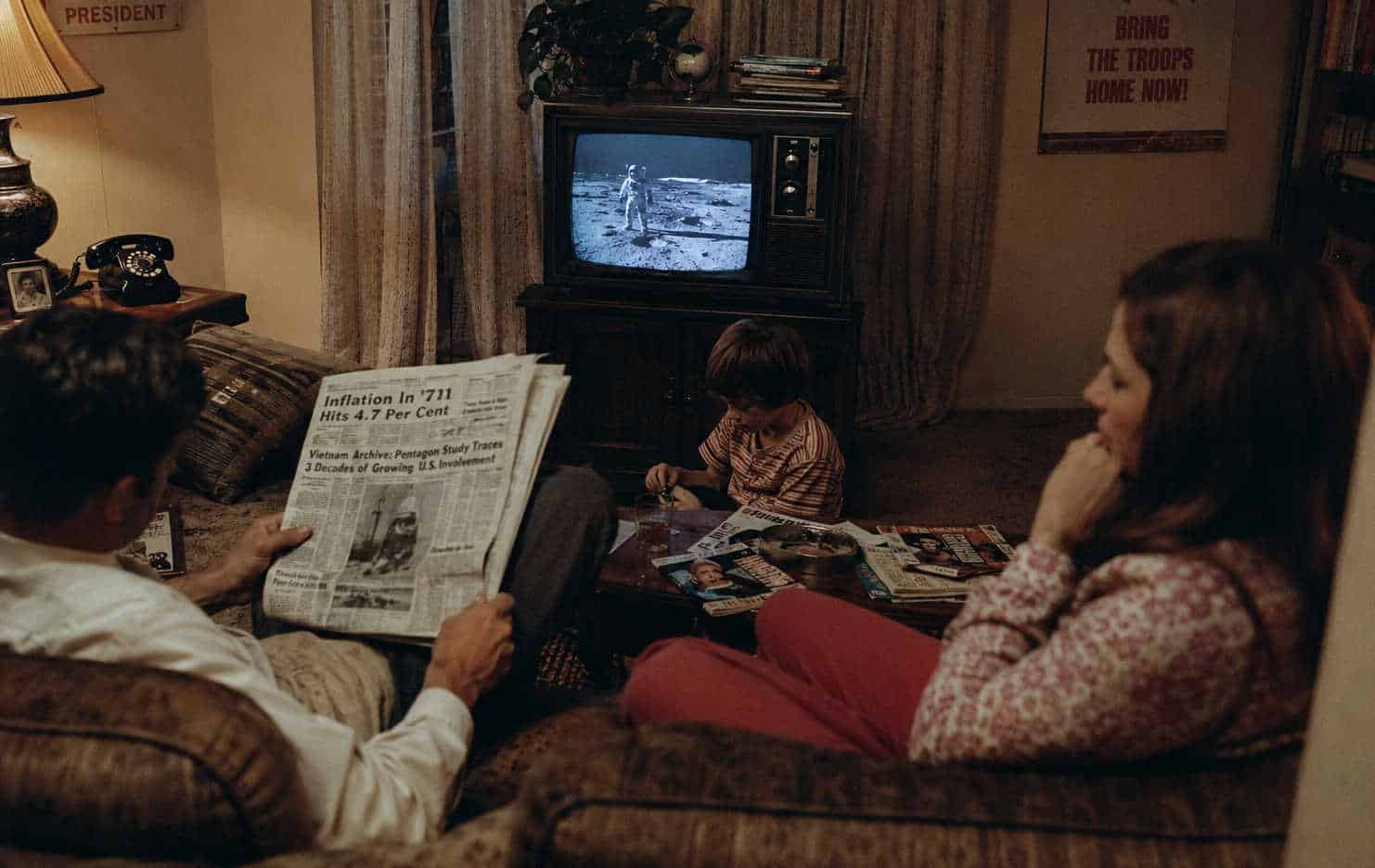
When Americans stopped being amazed, politicians stopped being motivated. The Vietnam War was draining the national conscience and federal money at the same time. Civil rights struggles and economic pressure were dominating the headlines. The Moon quietly slipped off the front page.
The Safety Standards Changed Completely
The Apollo missions were genuinely dangerous, and by modern standards they would never have been approved. The astronauts knew they were taking a huge risk every single time.
Apollo 1 killed three astronauts in a launchpad fire during a ground test. Apollo 13 nearly killed three more when an oxygen tank exploded 330,000 kilometres from Earth. The rescue of that crew is one of the great engineering stories of the 20th century, but it also made it impossible to pretend that lunar travel was anywhere close to routine.
The level of risk that NASA accepted during Apollo was a product of its time. Cold War urgency meant speed mattered more than perfect safety. That is simply no longer acceptable today.
Returning to the Moon now means building systems that are not just capable but reliably safe for long-term human use. That is a much higher bar than landing two astronauts for a few days and bringing them home.
Every Time We Tried to Go Back, Politics Got in the Way
After Apollo ended, the Moon never disappeared from NASA’s ambitions. It kept coming back, and it kept getting cancelled.
President George W. Bush announced the Vision for Space Exploration, planning a return to the Moon by 2020 using new rockets called Ares and a new capsule called Orion. Real hardware was built. Real money was spent.
President Obama cancelled the entire program. He redirected NASA toward sending humans to an asteroid and eventually to Mars, while relying on commercial partners for the International Space Station.
The Moon return concept came back under the name Artemis. A 2024 landing was set. Then it slipped. Then it slipped again. And again.
Artemis II successfully flew four astronauts around the Moon in April, the first humans to travel that far in over 50 years. They broke the all-time distance record previously held by Apollo 13 astronauts since 1970.
Artemis III is planned to launch in late 2027, testing rendezvous and docking with commercial landers from SpaceX and Blue Origin in Earth orbit, but not landing on the Moon yet.
NASA is targeting the first actual Moon landing since Apollo 17 with Artemis IV and Artemis V, aiming for the lunar south pole region.
Each new administration arrives with different priorities and wants to put its own stamp on the space program. The result is a cycle of bold announcements, budget fights, technical delays, and political reshuffling that has defined American space policy for five decades.
Why Returning to the Moon Is Harder Than It Sounds?
Going back to the Moon may sound simple because humans did it in 1969, even with very basic computers. But it is genuinely difficult.
Apollo took almost 10 years and involved around 400,000 people working on the program. NASA had to build everything from scratch, and all of that original system is gone now. Today’s missions need new technology, higher safety standards, and a completely different goal.
NASA is not just trying to land on the Moon for a few days this time. It wants to build a base there and stay. That is a completely different challenge, and it requires years of careful preparation before anyone sets foot on the surface again.
Why Does It Matter That We Go Back?
This is perhaps the most important question, and the one that got lost for decades.
The Moon is not a dead end. It sits on reserves of helium-3, a potential fuel for nuclear fusion reactors that barely exists on Earth. Its south pole craters contain water ice that has been confirmed by multiple spacecraft, water that can be converted into drinking water, oxygen, and rocket fuel.
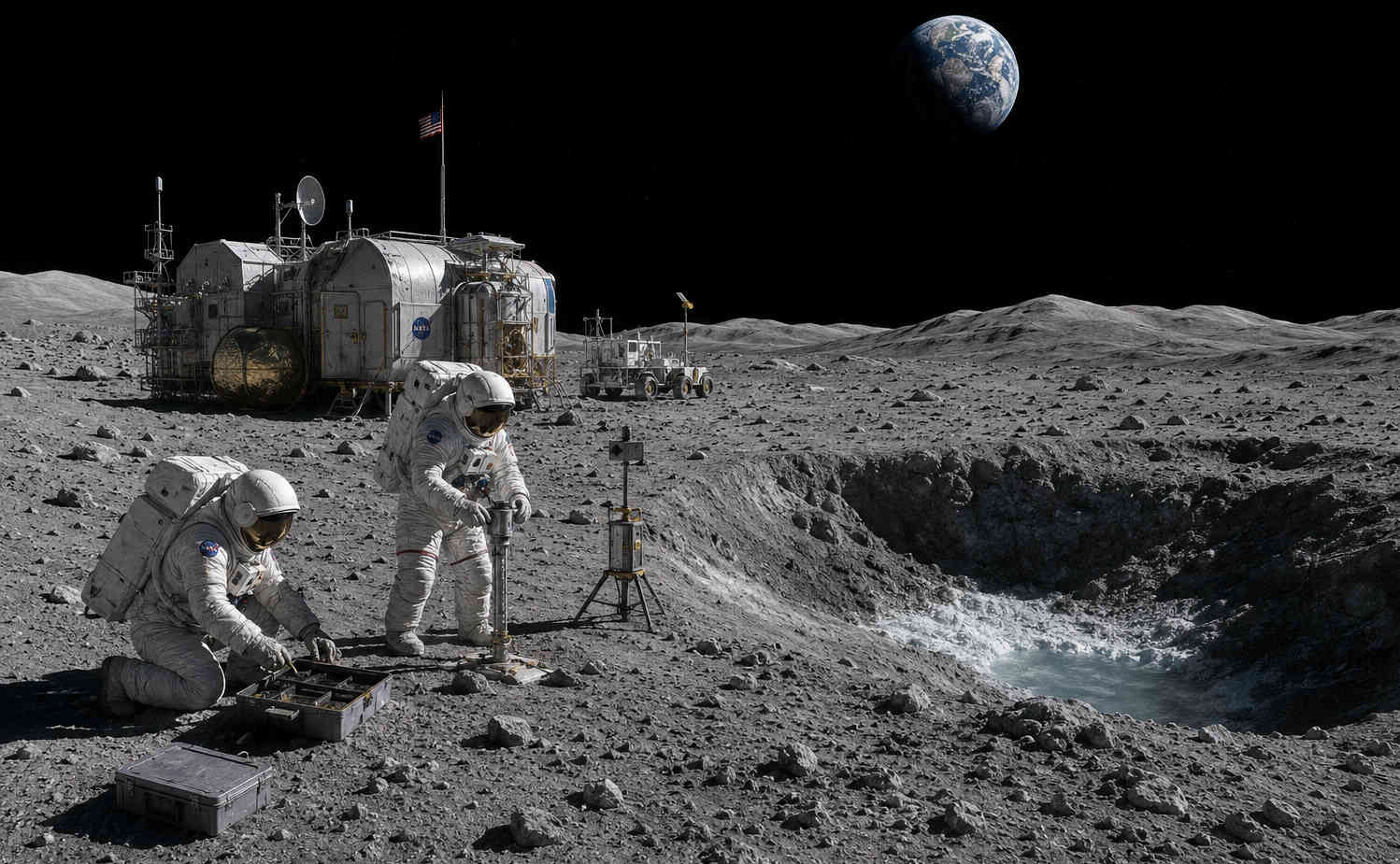
A lunar base could serve as a refuelling station for missions deeper into the solar system, dramatically reducing the cost of reaching Mars.
Beyond resources, the Moon is a laboratory. Its surface preserves billions of years of solar history in a way that Earth’s geologically active surface cannot. Understanding the Moon more deeply means understanding the early history of our entire solar system.
And then there is the argument that is harder to quantify but impossible to dismiss. Every civilisation that has stopped exploring has eventually stopped growing.
The Apollo program produced advances in materials science, computing, medicine, and engineering that rippled through every corner of modern life. The drive to go somewhere difficult forces innovation that staying home never will.
So Why Did We Really Stay Away for 50 Years?
The honest answer is that returning to the Moon has always been technically possible. The barriers were political, financial, and a matter of collective will.
Apollo worked because America decided, at a national level, it was worth any cost. That kind of commitment is rare in peacetime. After the race was won, that commitment evaporated almost immediately.
That is genuinely changing now. The combination of the Artemis program, SpaceX, Blue Origin, and commercial interest in lunar resources has created a situation unlike anything since 1972. For the first time in half a century, the pieces are actually coming together.
Eugene Cernan’s footprints are still up there. The Moon has no wind to erase them. They have been waiting more than 50 years.
The question is no longer whether we can go back.
It is whether we are finally serious enough to stay.
Frequently Asked Questions
⌄
⌄
⌄
⌄
⌄
Sources: NASA, Planetary Society, JFK Library
Written by
Engineering Junkies Team
We are a team of engineers, researchers and technology writers who love breaking down complex topics into clear and honest content. Every article we publish is built on real research and honest writing.
You can reach us through our Contact Us page.